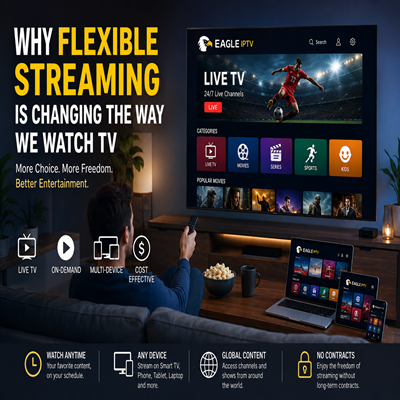
Why Flexible Streaming Is Changing the Way We Watch TV
The way people watch television has changed dramatically over the last few years. Gone are the days when viewers had to wait for a specific time, sit in front of a cable box, or pay for hundreds of channels they rarely watched.
Today, streaming TV gives viewers much more control over what they watch, when they watch it, and which device they use. From smart TVs and smartphones to streaming sticks and computers, entertainment is available almost anywhere with a reliable internet connection.
This shift is one of the biggest reasons flexible streaming is changing the future of television.
What Is Flexible Streaming?
Flexible streaming simply means having more freedom over your TV experience.
Instead of following a traditional television schedule, viewers can choose between live TV, on-demand content, movies, sports, news, and entertainment based on their personal preferences.
Modern streaming services have made it possible to watch content without being tied to one traditional television schedule. Viewers can start a show whenever they want, pause it, continue watching later, or switch between different types of content.
This flexibility is particularly attractive to people who have busy lifestyles.
Why Are More People Moving Away From Traditional TV?
One of the biggest changes in entertainment is cord-cutting. Many viewers are moving away from traditional cable and satellite packages and looking for internet-based alternatives.
The reason is simple: people want more control.
Traditional cable television often comes with fixed channel packages and schedules. Streaming gives viewers the opportunity to choose what they actually want to watch.
Research in 2026 shows that streaming now represents a major share of television viewing, while traditional cable and satellite usage continues to decline.
For many households, the question is no longer whether they should use streaming. It is how they can build a streaming setup that fits their lifestyle and budget.
Watch TV on Your Own Schedule
Perhaps the biggest advantage of streaming is convenience.
Imagine coming home late after work. Instead of checking a television schedule and hoping something interesting is playing, you can simply open your preferred streaming platform and choose something instantly.
This is the core idea behind watching TV online.
You can watch:
- Movies whenever you want
- TV shows on demand
- Live television
- Sports and live events
- News
- Documentaries
- Family entertainment
- International programming
The television is no longer limited to a fixed schedule.
Live TV Is Still Important
Although on-demand entertainment is extremely popular, live television has not disappeared.
Sports, breaking news, award shows and other live events continue to attract viewers who want to watch something as it happens.
In fact, recent research shows that live sports remain an important differentiator in the streaming market.
This is where modern live TV streaming becomes especially useful. Viewers can combine the convenience of streaming with the excitement of watching live programming.
For people who enjoy both live channels and on-demand entertainment, a flexible streaming setup can offer the best of both worlds.
Streaming Works Across Multiple Devices
Another reason streaming has become so popular is device flexibility.
You don’t necessarily need to sit in front of one television anymore.
Depending on the service, viewers can access entertainment through:
- Smart TVs
- Amazon Fire TV devices
- Android TV
- Apple TV
- Smartphones
- Tablets
- Laptops
- Streaming boxes
Smart TVs have become particularly important in this transition. Recent research shows that smart TVs are increasingly becoming the central device for TV streaming.
This means your entertainment can follow you around the house instead of being tied to a single screen.
IPTV Is Part of the Streaming Evolution
IPTV, or Internet Protocol Television, is another part of the broader shift toward internet-based television.
Instead of receiving television programming through traditional cable or satellite infrastructure, IPTV delivers television content through internet networks.
For viewers, this can provide a more flexible way to access television content, particularly when services combine live channels with modern streaming features.
However, consumers should always choose IPTV services that provide content legally and comply with applicable copyright and broadcasting laws.
Why Flexibility Matters More Than Ever
Modern viewers have more entertainment choices than ever before. But having more choices can also create a problem.
Many households now subscribe to several streaming platforms. Morgan Stanley’s 2026 research found that the average U.S. household subscribes to more than five streaming services.
At the same time, rising subscription prices are making viewers more selective. A 2026 survey found that many Americans cancel, downgrade or temporarily resubscribe to services depending on what they want to watch.
This shows why flexibility is becoming so important.
People don’t necessarily want to pay for everything all the time. They want entertainment that fits their current needs.
The Rise of Personalized TV
Traditional television was mostly designed around the idea of broadcasting the same content to everyone at the same time.
Streaming is different.
Modern platforms use viewing history, recommendations and user preferences to help people discover content they are more likely to enjoy.
This creates a much more personalized viewing experience.
Instead of asking, “What’s on TV tonight?” viewers increasingly ask, “What do I want to watch tonight?”
That small change represents a major transformation in television.
Streaming Can Also Mean More Choice
Another advantage of flexible streaming is the variety of content available.
A traditional television package might focus heavily on local or national programming. Online platforms can give viewers access to content from different genres, countries and languages.
This is particularly useful for households with different interests.
One person can watch sports while another watches a movie, and someone else can catch up on a favorite series later.
The result is a more personalized entertainment experience.
The Challenge: Too Many Streaming Choices
Flexibility does have a downside.
With so many streaming platforms available, viewers can experience what is often called streaming fatigue.
Instead of having one television bill, consumers may end up paying for several subscriptions.
Recent research highlights this problem, with many viewers saying they would prefer simpler ways to manage their streaming services and monthly expenses.
This is why the future of streaming will not simply be about having more content.
It will be about having better flexibility, better value and easier access.
What Does the Future of TV Look Like?
The future of television is likely to be a combination of live TV, on-demand streaming, smart devices and personalized recommendations.
Traditional television isn’t disappearing overnight. Instead, it is becoming part of a much larger digital entertainment ecosystem.
Viewers may use streaming apps for movies and shows, live TV streaming for sports and news, and other internet-based services for specialized content.
In other words, the future of TV is less about choosing between cable and streaming and more about creating a viewing experience that works for you.
How Eagle IPTV Fits Into the Changing Streaming World
At Eagle IPTV, the focus is on giving viewers a modern way to approach internet-based entertainment.
As audiences become more interested in flexible viewing, IPTV can be part of a broader streaming setup that gives users access to television through internet-connected devices.
Whether you’re interested in live TV streaming, watching television online, or exploring modern IPTV technology, the key is choosing a service that matches your viewing habits and provides reliable access to content you are legally entitled to watch.
Final Thoughts
Flexible streaming is changing television because viewers no longer want entertainment to control their schedules.
They want control over their entertainment.
They want to watch TV when they have time, choose content that interests them, switch between devices and avoid paying for things they never use.
That is why streaming TV, live TV streaming, IPTV, and on-demand entertainment continue to shape the future of television.
The biggest change isn’t simply that television has moved online.
It’s that the viewer is now in control.
As technology continues to evolve, the most successful TV experiences will likely be the ones that offer viewers the combination they value most: choice, convenience, flexibility and value.
Frequently Asked Questions
Is streaming better than traditional cable TV?
It depends on the viewer. Streaming offers greater flexibility and on-demand access, while traditional TV can still be useful for certain live programming and households that prefer a simple channel-based experience.
What is live TV streaming?
Live TV streaming allows viewers to watch television programming over an internet connection as it is being broadcast or delivered live.
Can I watch TV online without a cable connection?
Yes. Many legitimate streaming platforms provide television, movies and live programming through an internet connection without requiring a traditional cable subscription.
Is IPTV the same as streaming?
IPTV is a method of delivering television content through internet protocol networks. Streaming is a broader term that includes many types of internet-delivered video services.
Why are people choosing flexible streaming?
Convenience, device compatibility, on-demand viewing, content variety and the ability to manage subscriptions are some of the main reasons viewers are moving toward more flexible TV experiences.
Is IPTV legal?
IPTV technology itself is legal. However, the legality of a particular IPTV service depends on whether it has the necessary rights or licenses to distribute the content it offers. Always use services that legally provide the programming you watch.
Eagle IPTV — A Modern Approach to Flexible TV Streaming
Leave a Reply